Get Basement Walls Waterproofing
Basement walls waterproofing services help property owners prevent water intrusion, mold, and structural damage through expert sealing, drainage, and repair projects.
Property owners considering basement wall waterproofing often seek reliable solutions to protect their homes from moisture, mold, and structural damage. Ensuring that basement walls are properly sealed can help maintain a healthy, stable environment and preserve the value of a property. Exploring local contractors who specialize in waterproofing services can provide options tailored to specific needs, whether for ongoing maintenance or preparing for a renovation project.
This site helps connect property owners with local service providers experienced in basement wall waterproofing, making it easier to compare available options in the area. By examining the services offered by different contractors, homeowners can make informed decisions about the best approach to safeguard their property’s foundation. Keep reading to learn more about how local experts can assist with waterproofing needs.
- Basement Wall Repair - needed when cracks or damage compromise the structural integrity of basement walls.
- Waterproofing System Installation - required to prevent water intrusion in basements prone to flooding or high moisture.
- Drainage System Services - necessary when poor drainage causes water accumulation around basement walls.
- Sealant and Coating Applications - used to protect basement walls from moisture and prevent leaks.
- Foundation Leak Repairs - essential when signs of water seepage or dampness appear in the basement area.
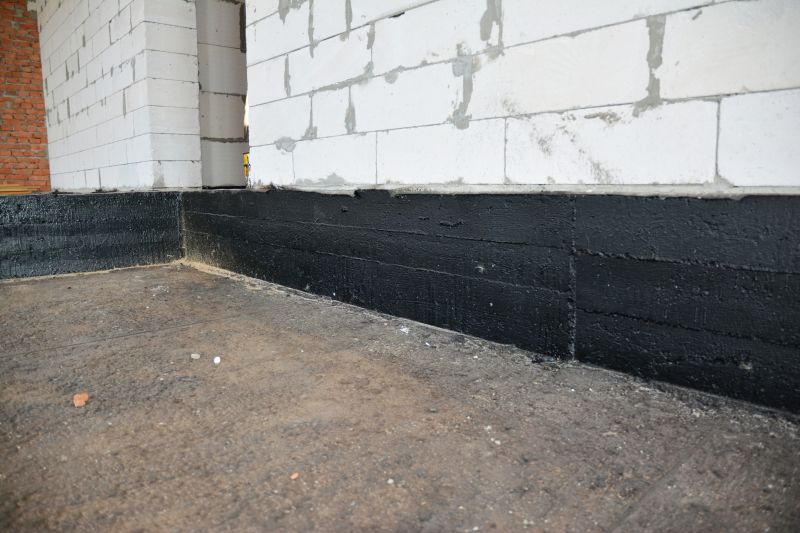
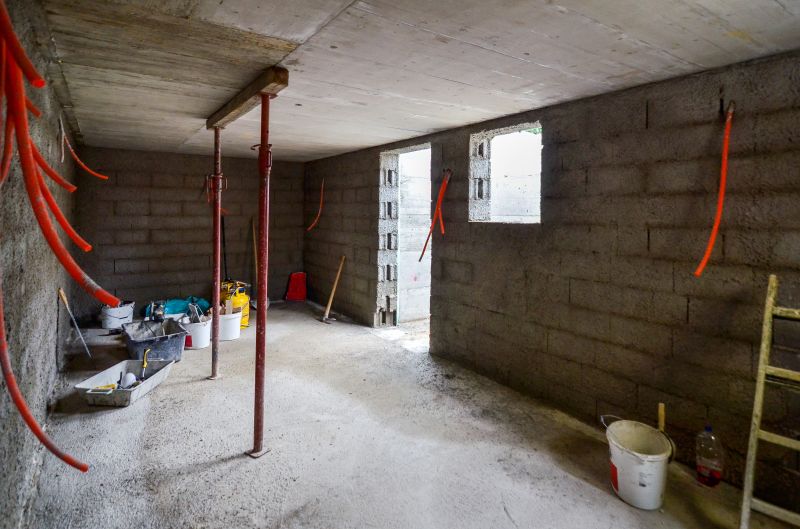
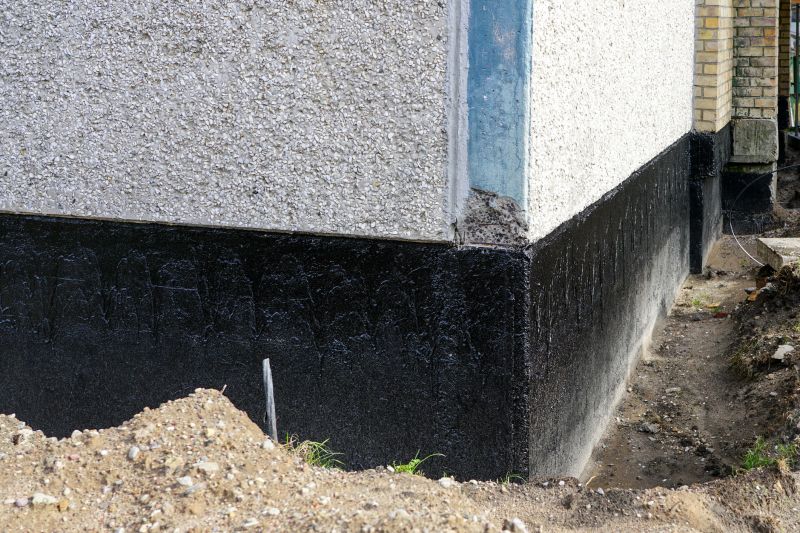
Basement walls waterproofing services involve applying specialized methods and materials to prevent water from penetrating or damaging basement walls. This process typically includes sealing cracks, installing drainage systems, and applying waterproof coatings or membranes to create a barrier against moisture. The goal is to keep basements dry and protect the foundation from water-related issues, ensuring a more stable and usable space below ground level.
These services are essential for addressing common problems such as persistent dampness, mold growth, and water leaks that can compromise the integrity of a basement. Water intrusion often results from poor drainage, hydrostatic pressure, or cracks in the foundation walls. Waterproofing helps mitigate these issues by directing water away from the structure and preventing it from seeping through walls, which can lead to structural deterioration and damage to stored belongings.
Property types that frequently benefit from basement walls waterproofing include residential homes, especially those built on sloped or flood-prone sites, as well as rental properties, condominiums, and small commercial buildings. Older homes with aging foundations often require waterproofing to address existing vulnerabilities, while new constructions may include waterproofing as a preventative measure. Any property with a basement or underground space that experiences moisture issues can typically benefit from these services.
Homeowners often seek basement walls waterproofing when they notice signs of water intrusion, such as damp or musty odors, visible water stains, or peeling paint on basement walls. It is also a common solution for those planning to finish or renovate their basement, as a dry environment is essential for a comfortable and healthy living space. Contacting local contractors who specialize in waterproofing can help determine the best approach to protect a property from ongoing water problems and preserve its structural integrity.
The overview below groups typical Basement Walls Waterproofing projects into broad ranges so you can see how smaller, mid-sized, and larger jobs often compare in your area.
In many markets, a large share of routine jobs stays in the lower and middle ranges, while only a smaller percentage of projects moves into the highest bands when the work is more complex or site conditions are harder than average.
Smaller Repairs - Typical costs for minor basement wall waterproofing repairs generally range from $250 to $600. Many routine jobs fall within this middle range, covering sealing cracks or patching small areas. Larger or more complex repairs may cost more depending on the extent of work needed.
Partial Waterproofing - When waterproofing a section of basement walls, local contractors often charge between $1,000 and $3,000. This range covers projects like applying sealants or installing internal drainage systems on specific walls, with fewer projects reaching the higher end of the spectrum.
Full Wall Waterproofing - Complete waterproofing of an entire basement can typically cost from $3,500 to $8,000. Many homeowners choose this option for comprehensive protection, while larger, more involved projects may exceed this range depending on the basement size and conditions.
Full Basement Replacement - For extensive work such as full basement wall replacement, costs usually start around $10,000 and can go beyond $20,000. These larger projects are less common and depend heavily on the scope of demolition and reconstruction required by local service providers.
Actual totals will depend on details like access to the work area, the scope of the project, and the materials selected, so use these as general starting points rather than exact figures.
Foundation Crack Repair - This project involves sealing and stabilizing cracks in concrete foundations, requiring skills in concrete assessment and waterproofing techniques similar to basement wall sealing.
Crawl Space Waterproofing - Local contractors may perform moisture control and sealing in crawl spaces, which shares methods used in preventing water intrusion and mold in basement walls.
Basement Drainage System Installation - Installing interior and exterior drainage solutions involves planning and tools similar to those used in basement wall waterproofing to manage water flow effectively.
Concrete Wall Restoration - Repairing and restoring deteriorated concrete walls involves surface preparation and sealing techniques akin to waterproofing basement walls.
Retaining Wall Waterproofing - Applying waterproofing to retaining walls requires understanding of soil pressure and water management, paralleling basement wall waterproofing strategies.
Structural Reinforcement for Foundations - Strengthening foundation walls involves planning and material handling comparable to those used in waterproofing projects for basement walls.
When comparing local contractors for basement walls waterproofing, it’s important to consider their experience with similar projects. Homeowners should look for service providers who have a proven track record of handling waterproofing issues in homes with comparable foundation types and conditions. An experienced contractor will be familiar with common challenges and effective solutions, which can lead to a more reliable and durable result. Gathering information about past projects or asking for examples of work in similar settings can help gauge a contractor’s familiarity with the specific needs of the home.
Clear, written expectations are essential when evaluating potential service providers. Homeowners should seek contractors who can provide detailed descriptions of the proposed waterproofing methods, materials to be used, and the scope of work. Having this information documented helps prevent misunderstandings and ensures that all parties are aligned on what the project entails. Transparent communication about the process and outcomes can also serve as an indicator of professionalism and a contractor’s commitment to client satisfaction.
Reputable references and good communication are key factors in choosing a reliable contractor. Homeowners are encouraged to ask for references from previous clients who had similar waterproofing projects completed. Speaking with past customers can offer insights into the contractor’s work ethic, reliability, and the quality of their results. Additionally, effective communication throughout the process-whether through prompt responses, clear explanations, or willingness to answer questions-can make the project experience smoother and more predictable. Connecting with local service providers through a trusted platform can help identify options that meet these criteria, but it remains the homeowner’s responsibility to verify the reputation and communication style of each contractor.
Property owners use Basement Walls Waterproofing services for practical projects around their homes and businesses. This guide focuses on everyday jobs and straightforward project options.
Basement walls waterproofing services are often sought by property owners dealing with dampness, leaks, or moisture buildup in their basements. These issues can lead to structural concerns or mold growth, especially after heavy rains or rapid temperature changes. Local contractors experienced in waterproofing can assess the situation and recommend solutions to help keep basements dry and protected from water intrusion.
Homeowners may also look for waterproofing services when preparing to finish or renovate their basements, aiming to prevent future water problems. Additionally, those noticing signs of water stains, efflorescence, or musty odors might seek out local service providers to address underlying moisture issues. Connecting with nearby contractors ensures that property owners receive tailored solutions suited to the specific conditions of their homes.
What are common causes of basement wall leaks? Basement wall leaks can result from issues such as poor drainage, cracks in the walls, or hydrostatic pressure from groundwater buildup.
How can waterproofing improve basement durability? Waterproofing helps prevent water intrusion, reducing the risk of mold, structural damage, and interior damage over time.
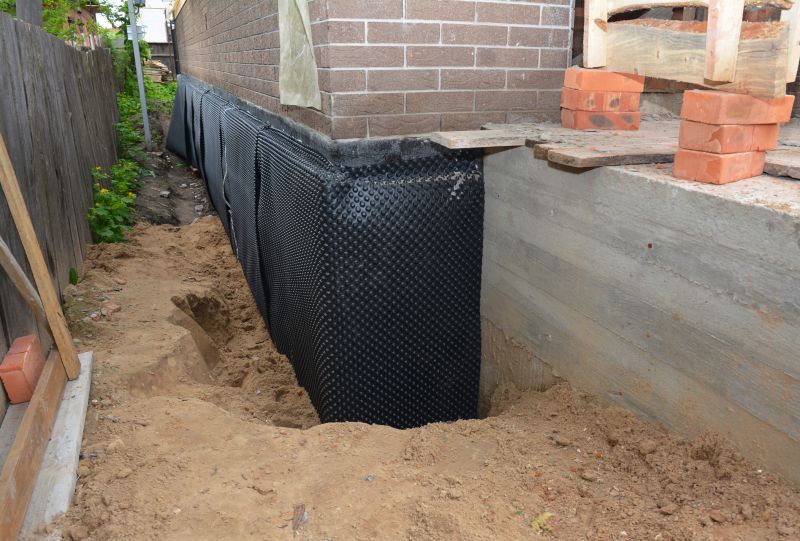
What types of waterproofing methods do local contractors typically use? Contractors often use interior sealants, exterior waterproof coatings, drainage systems, or membrane barriers to protect basement walls.
Are there signs that indicate the need for basement wall waterproofing? Signs include visible cracks, damp or musty walls, efflorescence, or water stains on the basement surfaces.
How do local service providers assess a basement for waterproofing? They typically perform visual inspections, evaluate drainage conditions, and identify cracks or vulnerabilities to determine appropriate solutions.
Basement Wall Sealing - Property owners can use waterproofing services to prevent moisture intrusion and protect belongings stored in the basement.
Foundation Crack Repair - Fixing small cracks early can help avoid larger structural issues and water leaks over time.
Interior Drainage Systems - Installing interior drainage solutions can manage excess water and reduce basement flooding during heavy rains.
Exterior Waterproofing - Applying waterproof coatings or membranes on the exterior walls can create a barrier against groundwater and surface water seepage.
If you are thinking about Basement Walls Waterproofing for a property, this guide is meant to help you understand the work, the typical project types, and how different options might fit your plans.
When you are ready, you can use the quote form on this page to share a few details about your project. From there, local pros can review the basics and respond with options that match what you have in mind.