How Water Intrusion Damages Foundations and Basements
Understanding how water intrusion damages foundations and basements helps homeowners seek local contractors who specialize in waterproofing to protect their property.
Understanding how water intrusion damages foundations and basements is essential for property owners looking to protect their investments. Water can seep through cracks, porous materials, or poorly sealed areas, leading to structural issues that may not be immediately visible. Over time, persistent moisture can weaken foundation walls, cause settling, and promote mold growth in basements, impacting both safety and property value. Exploring this topic helps homeowners recognize early warning signs and take proactive steps to safeguard their properties.
For those in the area, seeking insights into water intrusion and its effects can connect them with experienced local contractors specializing in basement and foundation waterproofing. These professionals can assess specific vulnerabilities, recommend effective solutions, and help prevent costly damage. Continuing to read provides practical knowledge that empowers property owners to make informed decisions about protecting their homes from water-related issues.
- Basement waterproofing - homeowners noticing damp or moldy basements may need waterproofing services to prevent water intrusion and protect their foundation.
- Foundation sealing - when cracks or leaks develop in a foundation, local contractors can apply sealing solutions to block water entry and minimize damage.
- Drainage system installation - properties experiencing poor drainage or pooling water around the foundation benefit from professional drainage solutions to redirect water away.
- Waterproof membrane application - basements with persistent moisture issues often require the installation of waterproof membranes to form a barrier against water intrusion.
- Leak repair services - visible leaks or water stains in basements and foundations signal the need for expert repairs to address the source and prevent further damage.
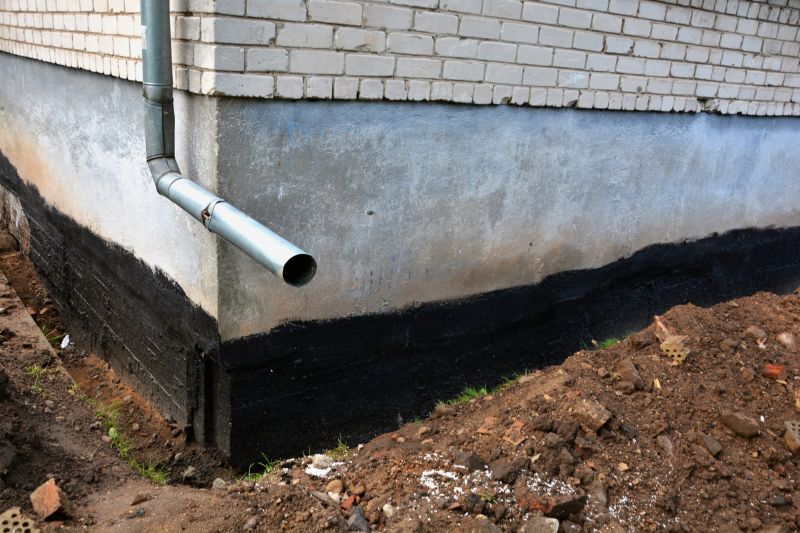
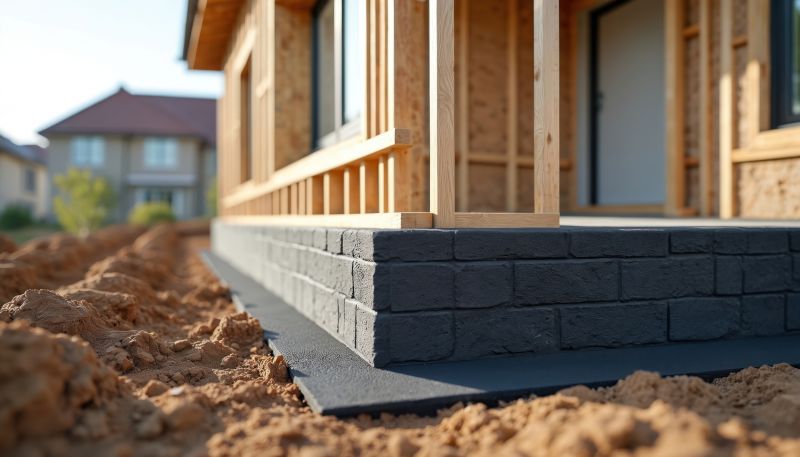
Water intrusion that reaches foundations and basements is a common concern for homeowners, especially in areas prone to heavy rainfall, melting snow, or poor drainage. When water seeps into these parts of a property, it can cause significant structural damage over time. People searching for information on this topic are often trying to understand how water affects their home's stability, what signs to look out for, and what steps are necessary to prevent further damage. Recognizing the connection between water intrusion and potential foundation issues helps homeowners plan effective waterproofing solutions to protect their investment.
The problems associated with water intrusion in foundations and basements are varied but interconnected. Excess moisture can lead to cracks in concrete, shifting or settling of the foundation, and even complete structural failure if left unaddressed. In basements, water infiltration often results in dampness, mold growth, and damage to stored belongings or finished spaces. Many property owners also explore repair plans that include sealing cracks, installing drainage systems, or applying waterproof coatings. Local contractors specializing in basement and foundation waterproofing can evaluate the specific causes of water intrusion and recommend tailored solutions to mitigate ongoing damage.
Properties most commonly affected by water intrusion are those with below-grade spaces, such as basements or cellars, especially in regions with high water tables or poor soil drainage. Homes built on expansive clay soils or with inadequate grading are also vulnerable, as these conditions can direct water toward the foundation. Commercial buildings with underground levels face similar risks. It is important for property owners to understand that addressing water intrusion early can prevent costly repairs later. Local service providers experienced in waterproofing can assess the unique characteristics of a property, identify vulnerabilities, and implement effective measures to keep water out of the foundation and basement areas.
Understanding how water intrusion damages foundations and basements connects directly to practical projects homeowners may undertake to safeguard their properties. Installing proper drainage systems, sump pumps, or exterior waterproof barriers are common steps to prevent water entry. These projects often require the expertise of local contractors who can evaluate the site, recommend the most effective waterproofing methods, and perform the necessary work. Connecting with experienced service providers ensures that the solutions are appropriate for the specific property and that any existing damage is properly addressed. This proactive approach helps preserve the structural integrity of the home and maintains a dry, healthy basement environment.
Basement Drainage System Installations - these projects involve installing drainage solutions that divert water away from foundations, helping prevent water intrusion and damage to basements.
Foundation Crack Repair - repairing cracks in foundations is closely related, as water intrusion often exploits these openings, and waterproofing services can help reinforce and seal them.
Sump Pump Installation - sump pumps are essential for managing excess water around foundations, making them a key component in preventing water damage caused by water intrusion.
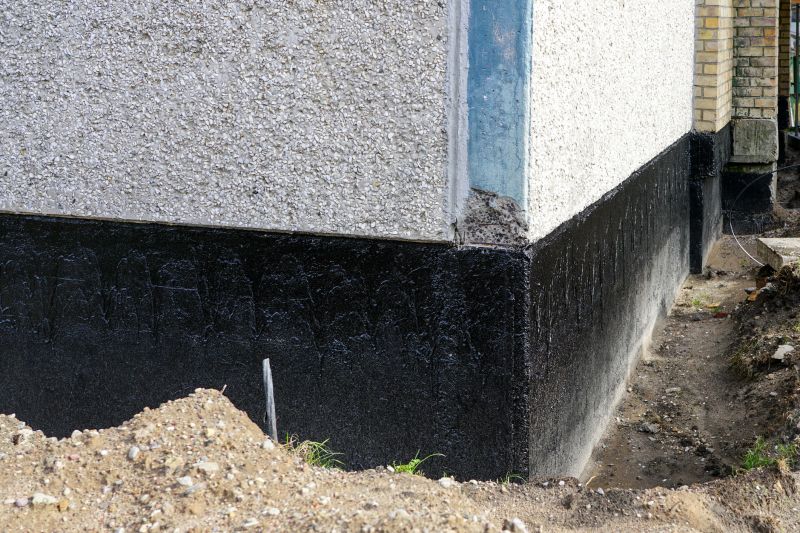
Exterior Waterproofing - applying waterproof coatings and barriers on building exteriors helps prevent water from penetrating foundations and basements during heavy rain.
Drainage System Maintenance - maintaining existing drainage and waterproofing systems ensures they function properly to minimize water intrusion risks over time.
Soil Drainage Improvements - projects that improve soil drainage around structures reduce water accumulation and pressure on foundations, protecting basements from water damage.
When evaluating service providers for basement and foundation waterproofing, it is important to consider their experience with similar projects. Homeowners should inquire about how long the local contractors have been working on water intrusion issues and whether they have handled cases comparable to their own. A contractor with a proven track record in addressing water damage to foundations and basements can offer insights into effective solutions and common challenges, providing reassurance that they understand the specific conditions and potential risks involved.
Clear, written expectations are essential to ensure that both the homeowner and the contractor are aligned on the scope of work, materials to be used, and the projected outcomes. When comparing local service providers, it’s helpful to review detailed proposals or estimates that outline each step of the waterproofing process. This transparency helps prevent misunderstandings and ensures that homeowners know what to expect throughout the project, from initial assessment to final inspection.
Reputable references and strong communication practices are key indicators of a dependable contractor. Homeowners should seek out local pros who can provide contacts from previous clients or examples of completed projects similar in scope. Good communication is also vital; contractors who are responsive, willing to answer questions, and able to clearly explain their approach can foster a smoother experience. By prioritizing these qualities, homeowners can better identify service providers capable of effectively protecting their foundations and basements from water intrusion damage.
Property owners often search for how water intrusion damages foundations and basements when they are planning practical projects around their homes and businesses. Local pros provide Basement and Foundation Waterproofing services for everyday jobs and straightforward project options.
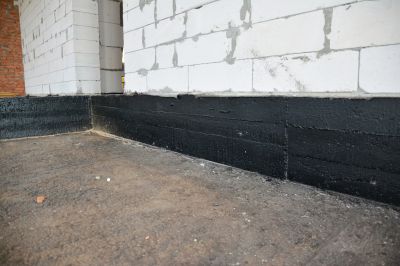
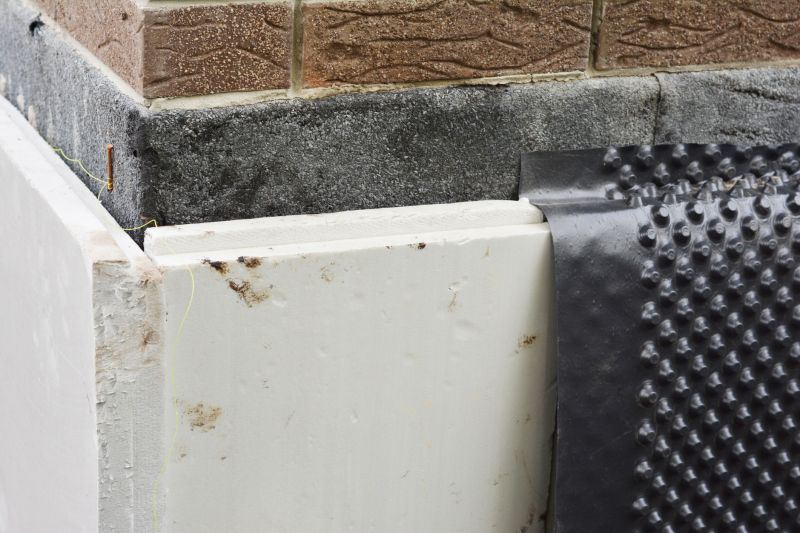
Water intrusion is a common concern for property owners dealing with basements and foundations, especially after heavy rainstorms or rapid snowmelt. When water seeps through cracks or porous materials, it can lead to persistent dampness, mold growth, and even structural damage over time. Homeowners often notice water stains, musty odors, or pooling water in their basements, prompting them to seek solutions that can prevent further damage and protect their investment. Local contractors specializing in basement and foundation waterproofing offer services designed to address these issues, helping to keep basements dry and foundations stable.
Understanding how water intrusion damages foundations and basements highlights the importance of professional waterproofing services. These experts assess the specific vulnerabilities of a property, such as cracks, drainage problems, or inadequate sealing, and implement tailored solutions. Proper waterproofing can help prevent water from entering the structure, reducing the risk of deterioration, cracks, and costly repairs down the line. Property owners in the area who notice signs of water intrusion or want to safeguard their homes often turn to local service providers who have experience in keeping basements dry and foundations secure.
How does water intrusion damage foundations and basements? Water intrusion can weaken foundation walls, cause cracks, and lead to settling or shifting. In basements, it can result in mold growth, structural deterioration, and compromised stability over time.
What are common signs of water damage in foundations and basements? Signs include damp or wet walls, efflorescence (white mineral deposits), cracks in the foundation or walls, musty odors, and water stains on surfaces.
How can waterproofing services help prevent water damage? Local contractors can install barriers, drainage systems, and sealants to keep water out, reducing the risk of damage and preserving the integrity of the foundation and basement.
Why is it important to address water intrusion early? Early intervention can prevent extensive damage, such as severe cracking, mold growth, and structural compromise, saving money and avoiding major repairs later on.
What role do waterproofing solutions play in maintaining a safe basement? Waterproofing solutions help keep basements dry, protect against water-related deterioration, and maintain a healthy, stable environment within the home.
Identify water entry points - property owners can inspect their foundations and basements for cracks or gaps where water may seep in, enabling local contractors to address these vulnerabilities early.
Improve drainage systems - installing or upgrading gutters, downspouts, and grading around the property helps direct water away from the foundation, reducing water intrusion risks with help from local service providers.
Apply waterproofing barriers - property owners can consider professional waterproofing solutions such as sealants or membranes to protect basement walls and foundations from ongoing water damage.
Maintain proper ventilation and sump systems - ensuring basements are well-ventilated and equipped with sump pumps can prevent excess moisture buildup that accelerates foundation deterioration, with assistance from local waterproofing specialists.
If you are thinking about how water intrusion damages foundations and basements for a property, this guide is meant to help you understand this topic, the typical project types, and how different options might fit your plans.
When you are ready, you can use the quote form on this page to share a few details about your project. From there, local pros can review the basics and follow up with options that match what you have in mind.