Waterproofing Basements in Older Homes
People seeking waterproofing basements in older homes aim to prevent leaks and damage, and local contractors can provide expert solutions to keep basements dry and protected.
Homeowners with older properties often encounter unique challenges when it comes to maintaining a dry and stable basement environment. If your older home has experienced signs of moisture, water intrusion, or basement dampness, exploring waterproofing options can be a practical step toward protecting your property. Local contractors specializing in basement waterproofing understand the specific needs of older homes and can offer tailored solutions to help prevent water damage, mold growth, and structural issues. Keep reading to learn more about how professional waterproofing services can safeguard your home’s foundation and enhance its longevity.
Understanding the benefits of waterproofing basements in older homes is essential for property owners looking to preserve their investment. Whether dealing with past leaks, uneven settling, or aging foundation walls, local service providers can assess the situation and recommend effective methods to keep your basement dry. By connecting with experienced contractors, homeowners gain access to expert solutions designed to address the unique challenges of older structures, ensuring a more stable and comfortable living space. Continue exploring this topic to discover how professional waterproofing can make a meaningful difference for your home.
- Basement Waterproofing - homeowners noticing persistent dampness or water intrusion in older homes can rely on local contractors to assess and implement effective waterproofing solutions.
- Foundation Sealing - when cracks or leaks develop in the foundation of an older home, service providers can apply sealing techniques to prevent further water damage.
- Interior Drainage Systems - for homes experiencing basement flooding or high humidity, local pros can install interior drainage to redirect water away from the foundation.
- Exterior Waterproofing - older homes with deteriorating exterior walls may benefit from exterior waterproofing methods that protect against water penetration and soil moisture issues.
- Waterproofing Membranes - when old basement walls show signs of moisture seepage, service providers can add waterproof membranes to create a durable barrier against water intrusion.
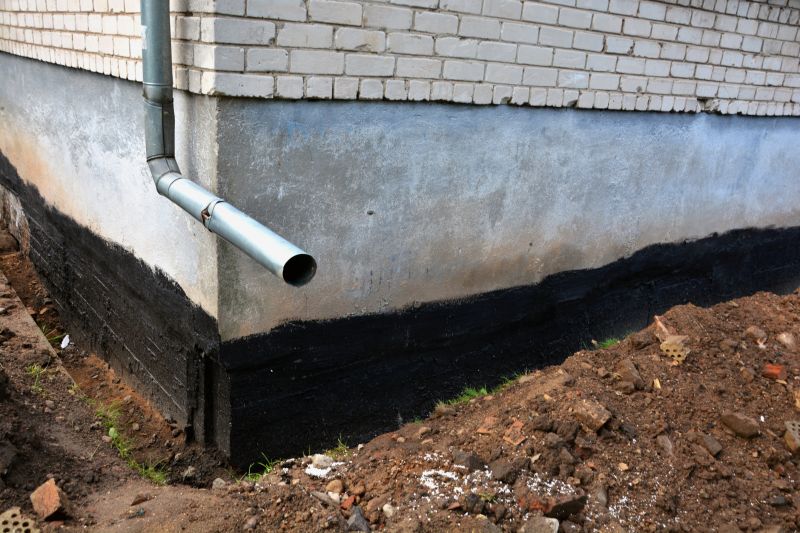
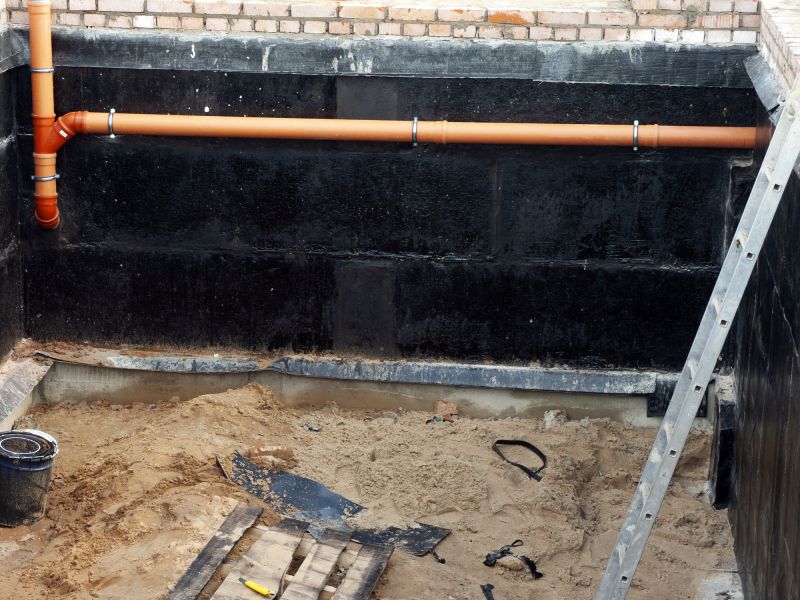
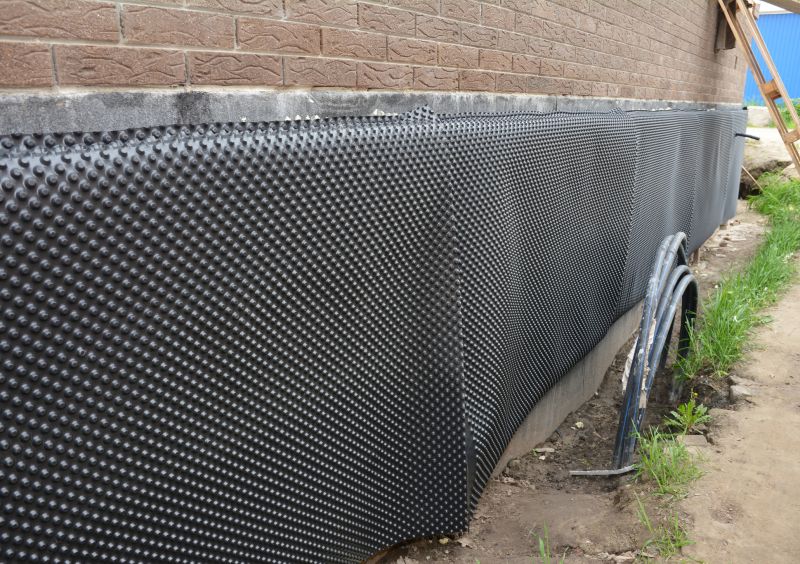
Waterproofing basements in older homes is a common concern for homeowners looking to protect their property from water intrusion and related damage. When people search for this topic, they often mean they want to prevent or fix issues like dampness, mold, or leaks that have developed over time. Many older homes, especially those built before modern waterproofing standards, may have outdated or inadequate foundations and drainage systems. Homeowners may be considering waterproofing as part of a larger renovation project or simply seeking to address ongoing moisture problems that affect the comfort and safety of their living space.
The problems associated with waterproofing basements in older homes often relate to persistent water seepage, basement flooding, or high humidity levels. These issues can arise from aging foundation walls, cracks, or poor exterior drainage. Plans to waterproof a basement typically involve installing or upgrading drainage systems, applying sealants or membranes to foundation walls, and improving exterior grading. Such projects are aimed at creating a more resistant barrier against water intrusion, which can help preserve the structural integrity of the home and prevent further damage over time.
Properties that come up in discussions about waterproofing older homes tend to be single-family residences built several decades ago, often with stone, brick, or early concrete foundations. These homes might sit on uneven terrain or have landscaping that directs water toward the foundation. Many of these properties have experienced some degree of water infiltration or moisture buildup, prompting homeowners to seek professional waterproofing solutions. The age and construction style of these homes often mean that standard, modern waterproofing methods need to be adapted to fit the specific needs of older structures.
Local basement waterproofing service providers play a key role in helping homeowners evaluate and implement effective solutions. They understand the unique challenges that come with older homes and can recommend tailored approaches to address existing issues or prevent future problems. These contractors typically offer a range of services, including foundation sealing, drainage improvements, and exterior waterproofing techniques. Connecting with experienced local pros ensures that waterproofing projects are handled with practical, proven methods that suit the specific property, helping homeowners protect their investment and maintain a dry, stable basement environment.
Foundation Repair - foundation repair involves assessing and fixing structural issues that can lead to water intrusion, making it a related service for waterproofing basements in older homes.
Drainage System Installation - installing proper drainage systems helps divert water away from the foundation, complementing basement waterproofing efforts in older properties.
Cement and Masonry Work - masonry skills are essential for sealing cracks and applying waterproof coatings on basement walls, which are common tasks in waterproofing projects.
Interior Wall Waterproofing - applying sealants and moisture barriers inside basements addresses common moisture issues and requires similar planning and tools as exterior waterproofing.
Sump Pump Installation - sump pumps are often part of waterproofing solutions to manage water accumulation, making this a related service provided by local contractors.
Waterproofing Membrane Application - applying membranes to foundation walls is a key step in waterproofing basements and involves similar surface preparation and material handling skills.
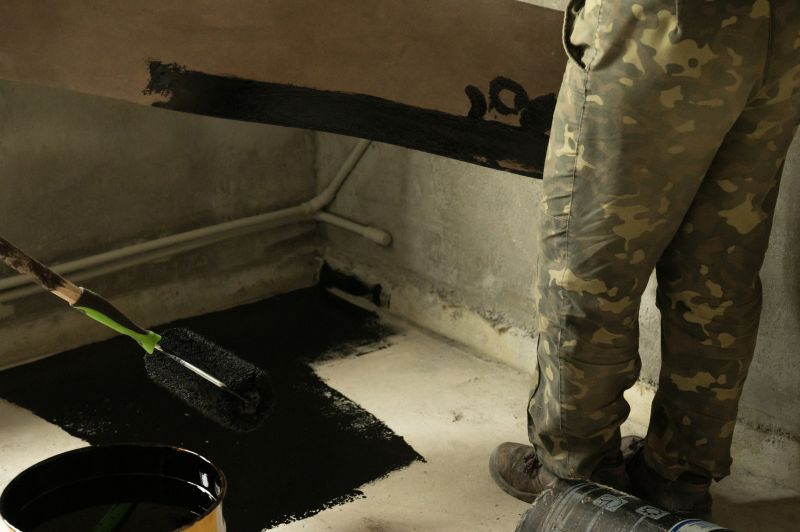
When evaluating service providers for waterproofing basements in older homes, it is important to consider their experience with similar projects. Homeowners should inquire about the types of properties the contractors have worked on and whether they have handled waterproofing in homes with comparable age, foundation types, and existing conditions. A contractor with a history of successfully completing projects similar to the one at hand can offer insights into potential challenges and effective solutions, ensuring that the waterproofing system is appropriate for the specific needs of an older home.
Clear, written expectations are essential to avoid misunderstandings and ensure that both parties are aligned on the scope of work. Homeowners should seek service providers who can articulate their approach to waterproofing, including the methods and materials they plan to use, as well as any preparatory or follow-up steps. Having a detailed, written plan helps establish transparency and provides a reference point throughout the project, making it easier to address any questions or concerns that may arise during the process.
Reputable references and good communication are key indicators of a reliable contractor. Homeowners are encouraged to ask for references from previous clients who have had similar basement waterproofing projects completed, especially in older homes. Additionally, responsive and clear communication from the service provider can help ensure that questions are answered promptly, expectations are managed effectively, and the project proceeds smoothly. Choosing a contractor with a track record of dependable service and open dialogue can contribute to a successful waterproofing experience that protects the home’s foundation and interior.
Property owners often search for waterproofing basements in older homes when they are planning practical projects around their homes and businesses. Local pros provide Basement Waterproofing services for everyday jobs and straightforward project options.
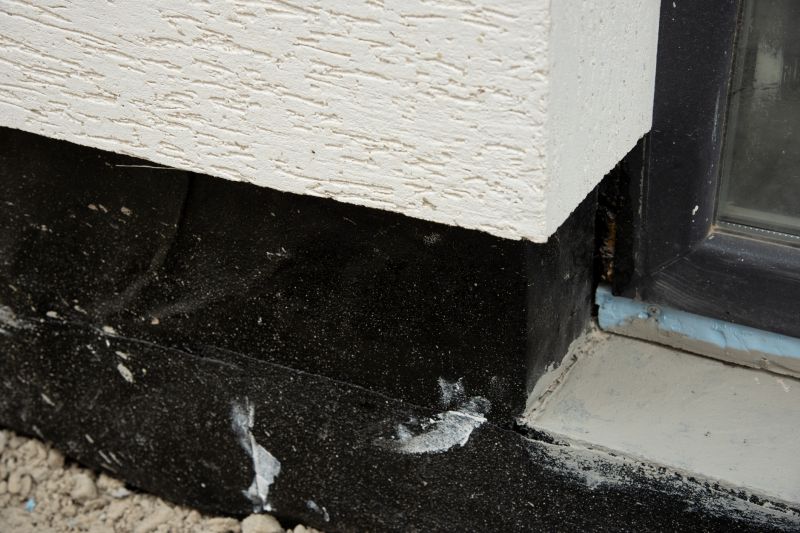
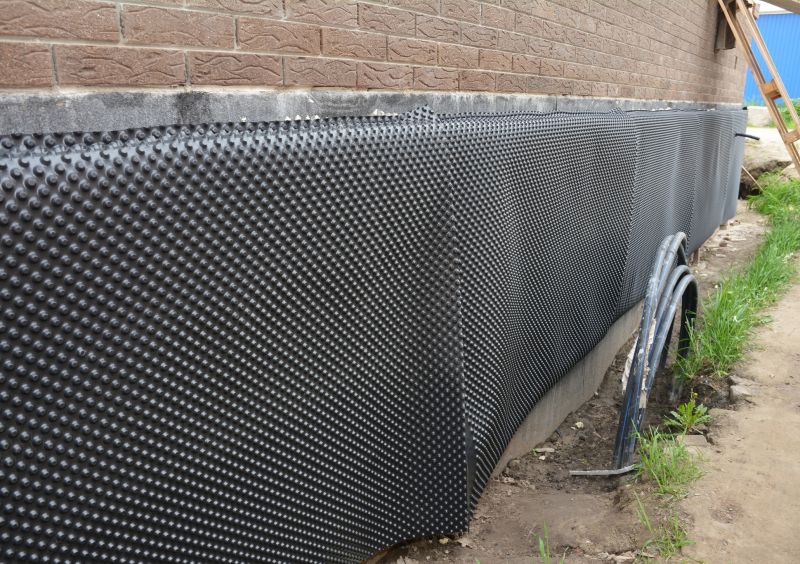
Homeowners exploring options for waterproofing basements in older homes often seek practical solutions to prevent moisture issues and protect their property. Common situations include noticing dampness or water seepage after heavy rains, or discovering signs of mold and mildew that can affect indoor air quality. Many property owners look up this topic to understand how local contractors can help address these concerns, especially when dealing with older foundations that may require specialized attention to ensure long-term dryness and structural integrity.
Local contractors offering basement waterproofing services can provide tailored solutions suited to the unique needs of older homes. Whether it’s installing new drainage systems, applying waterproof coatings, or sealing foundation cracks, these service providers have the experience to handle a variety of situations. Property owners often consider reaching out to these professionals to explore options that safeguard their homes from future water intrusion, helping to maintain a dry, stable basement environment over time.
Why is waterproofing basements in older homes important? Waterproofing helps prevent water intrusion that can cause damage, mold growth, and structural issues common in older homes.
What types of waterproofing methods do local contractors typically use for older homes? They often use interior sealants, exterior drainage systems, and sump pump installations to protect basements from water issues.
Are there specific challenges when waterproofing basements in older homes? Yes, older homes may have outdated or damaged foundation walls, existing cracks, and limited access points that require specialized solutions.
How can local service providers assess the waterproofing needs of an older basement? They conduct thorough inspections to identify existing leaks, foundation condition, and water entry points to recommend appropriate waterproofing options.
What maintenance is involved after waterproofing a basement in an older home? Ongoing inspections, ensuring proper drainage, and maintaining sump pumps or sealants are key to keeping the basement dry over time.
Assessing moisture issues - Property owners can identify signs of water intrusion in older basements and seek advice from local contractors on effective waterproofing solutions.
Installing interior sealants - Applying sealants along basement walls can help prevent minor leaks, with local pros providing professional application for better results.
Improving drainage systems - Upgrading or adding interior drains and sump pumps can protect older homes from water buildup, with local service providers offering installation expertise.
Addressing foundation cracks - Repairing visible cracks in basement walls can reduce water entry, and local contractors can recommend appropriate sealing methods for long-term protection.
If you are thinking about waterproofing basements in older homes for a property, this guide is meant to help you understand this topic, the typical project types, and how different options might fit your plans.
When you are ready, you can use the quote form on this page to share a few details about your project. From there, local pros can review the basics and follow up with options that match what you have in mind.